
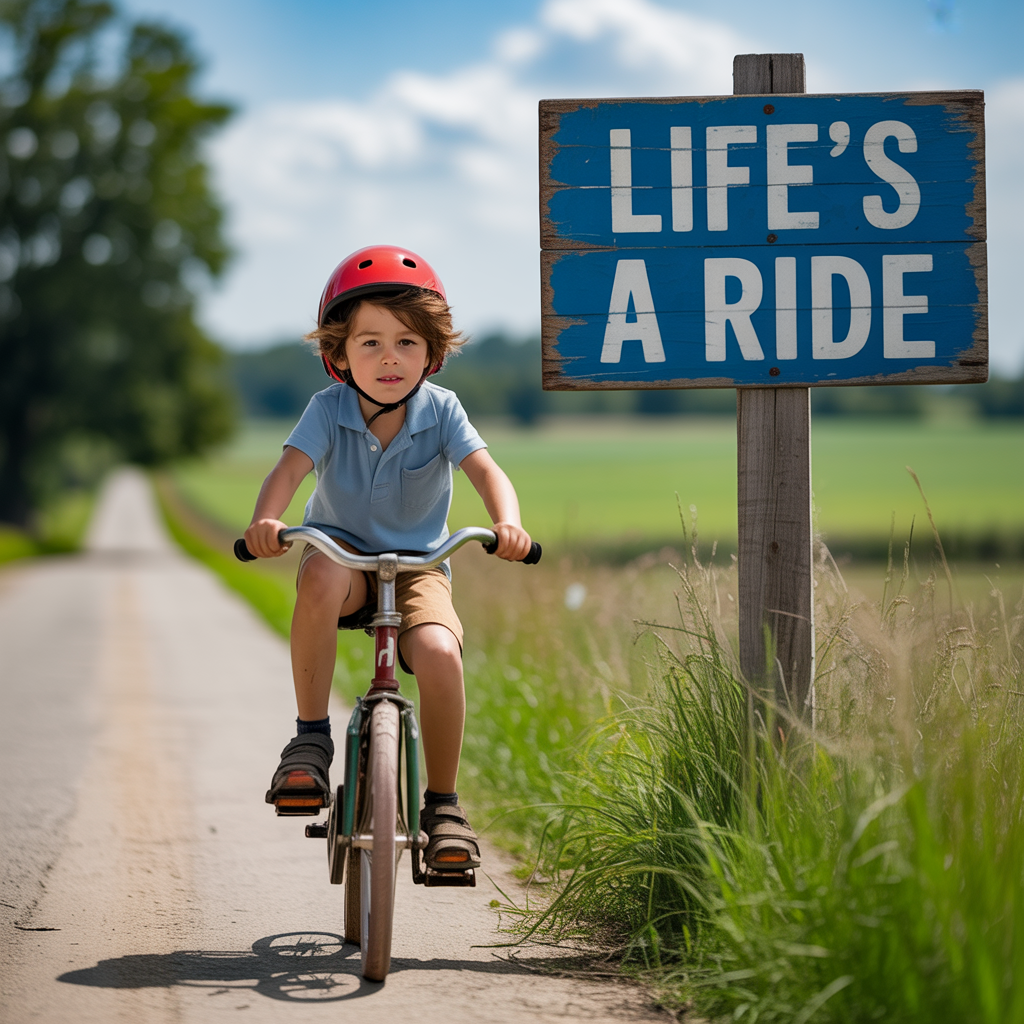
Cycling teaches you about life in ways no gym session ever could. This guide is for anyone who’s discovered that pedaling through challenges reveals deeper truths about resilience, balance, and personal growth.
Most people see cycling as cardio exercise or weekend recreation. But riders who stick with it long enough realize they’re learning essential life skills with every mile. The bike becomes your teacher, showing you how to handle setbacks, find your rhythm, and keep moving forward even when the road gets tough.
We’ll explore how cycling builds unshakeable mental toughness through physical challenges that mirror real-world obstacles. You’ll discover why mastering balance on two wheels translates directly to finding stability in your daily routine and relationships. Finally, we’ll cover how cycling develops genuine independence and the self-reliance skills that serve you far beyond your next ride.
Your bike is waiting to teach you lessons that last a lifetime.
Building Mental Resilience Through Physical Challenge
Overcoming Fear of Falling and Getting Back Up
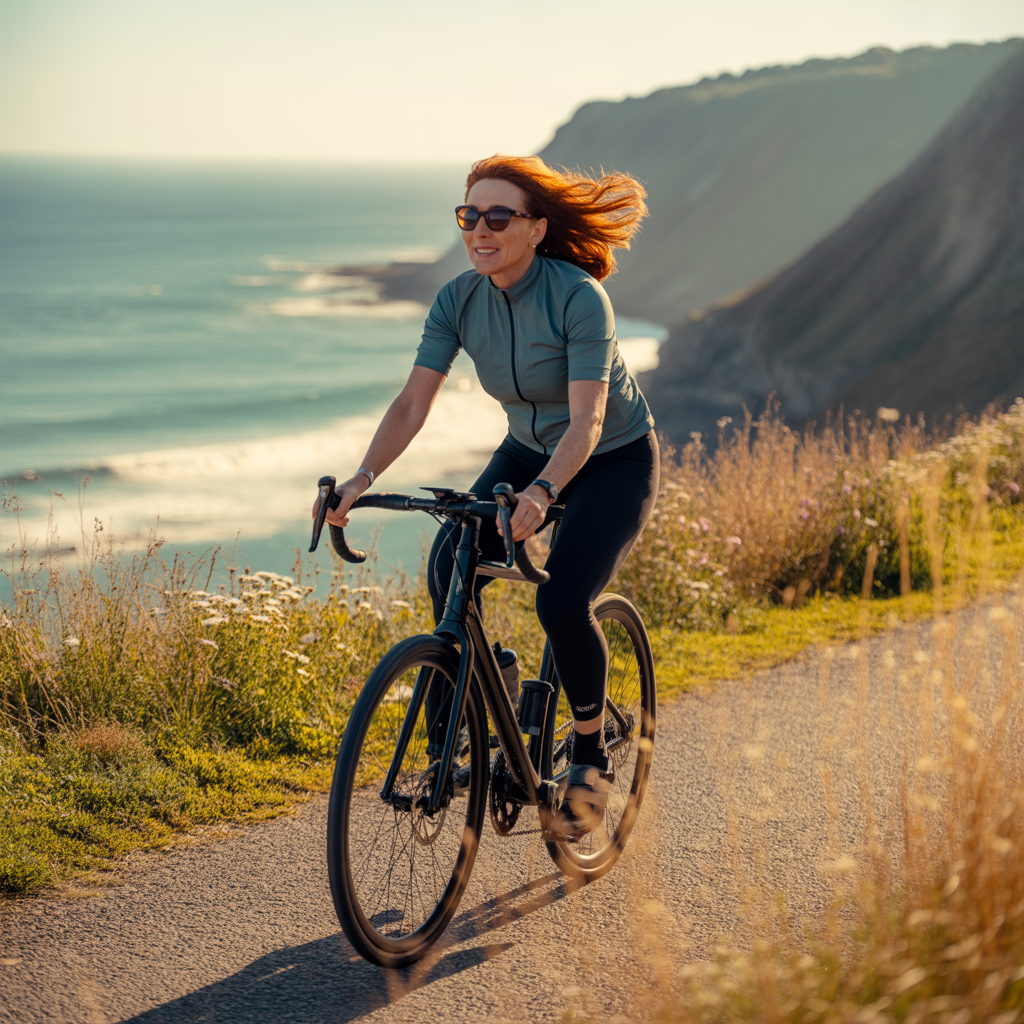
The moment you first straddle a bicycle, fear creeps in. Your mind conjures images of scraped knees, bruised elbows, and the embarrassment of tumbling in front of others. This fear of falling becomes your first mental hurdle, teaching you that courage isn’t the absence of fear—it’s moving forward despite it.
Every wobble on those training wheels represents a small victory over anxiety. When you do fall, which you will, the ground becomes your teacher. The sting of asphalt reminds you that falling isn’t fatal, but staying down is optional. Each time you dust yourself off and climb back on, you’re building mental muscle memory that extends far beyond cycling.
Children who learn to ride often become adults who bounce back from setbacks more quickly. They’ve already learned that failure is temporary, and that the only real defeat comes from refusing to try again.
Pushing Through Physical Discomfort to Reach Your Destination
Long-distance cycling strips away all pretense about comfort zones. Your legs start burning at mile five, your back aches at mile ten, and somewhere around mile fifteen, your mind starts bargaining for an early exit. This is where cycling becomes a masterclass in mental toughness.
The physical discomfort forces you to make a choice: surrender to the pain or push through it. When you choose to keep pedaling despite the burning in your muscles, you’re training your brain to override its default setting of seeking immediate relief. This skill transfers directly to life’s challenges—whether it’s studying for a difficult exam, working late to meet a deadline, or persisting through a challenging relationship conversation.
The destination becomes secondary to the process of reaching it. You learn that temporary discomfort often leads to lasting satisfaction, and that the sweetest victories come after the hardest battles.
Developing Persistence When Facing Uphill Battles
Hills are cycling’s greatest teachers. That steep incline ahead doesn’t care about your fitness level, your expensive bike, or your tight schedule. It simply exists, demanding you find a way over it or turn around.
The hill forces you to shift gears—literally and mentally. You learn to break down the challenge into smaller segments, focusing on the next ten pedal strokes rather than the summit that seems impossibly far away. You discover the power of rhythm and steady progress over explosive bursts that quickly burn out your energy reserves.
Some hills require you to stand up and power through with everything you’ve got. Others demand patience, a lower gear, and steady determination. Learning to read what each challenge requires develops your ability to adapt your approach rather than giving up when your first strategy fails.
Learning to Stay Calm Under Pressure in Traffic Situations
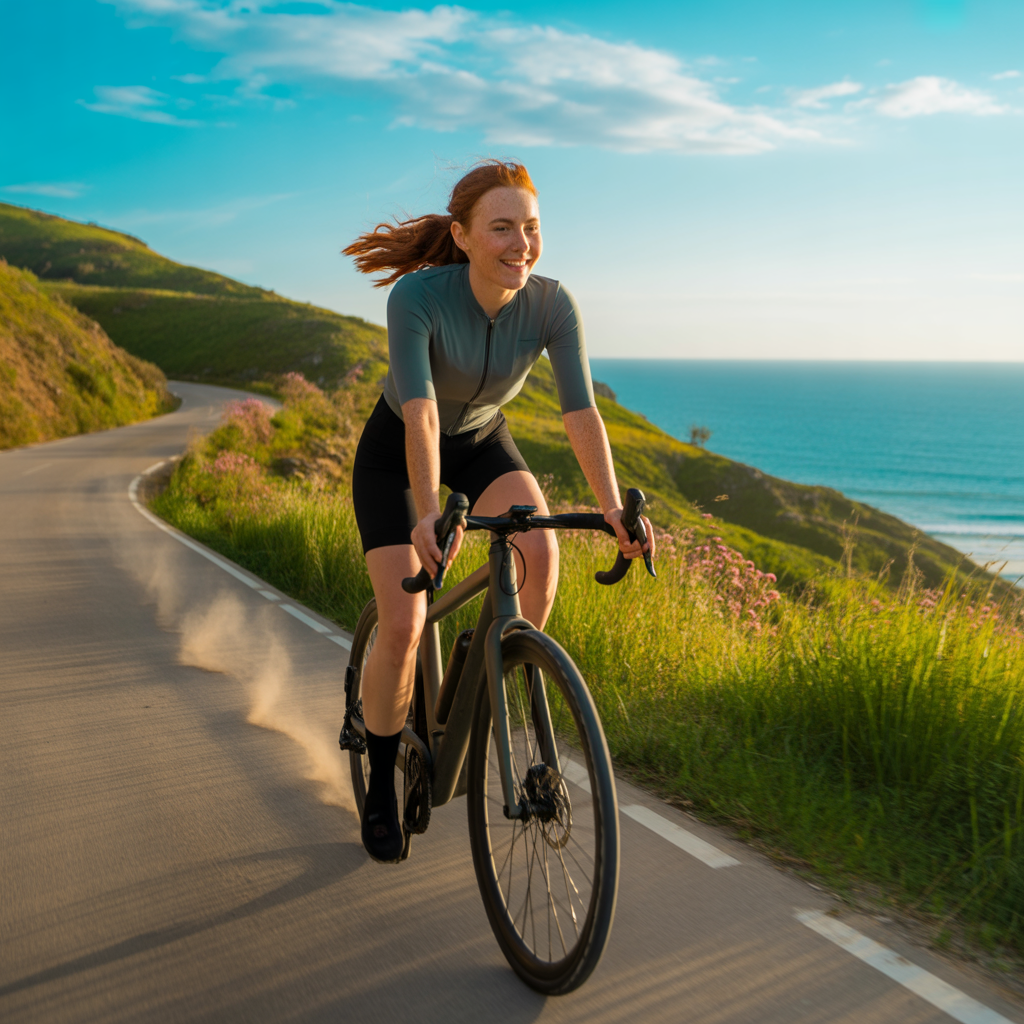
Riding in traffic transforms cycling from a leisurely activity into an exercise in maintaining composure under pressure. Cars whiz by inches away, traffic lights change unexpectedly, and pedestrians dart into your path without warning. Your ability to stay calm and make split-second decisions becomes crucial for your safety.
Traffic cycling teaches you to be simultaneously alert and relaxed—a skill that proves invaluable in high-pressure work situations or personal conflicts. You learn to read the behavior of others, anticipate problems before they fully develop, and respond rather than react to challenging situations.
The cyclist who can navigate rush hour traffic with steady nerves often becomes the person who can handle boardroom tensions, family crises, or unexpected life changes with similar grace under pressure.
Mastering Balance in Life Through Two Wheels
Finding Equilibrium Between Speed and Control
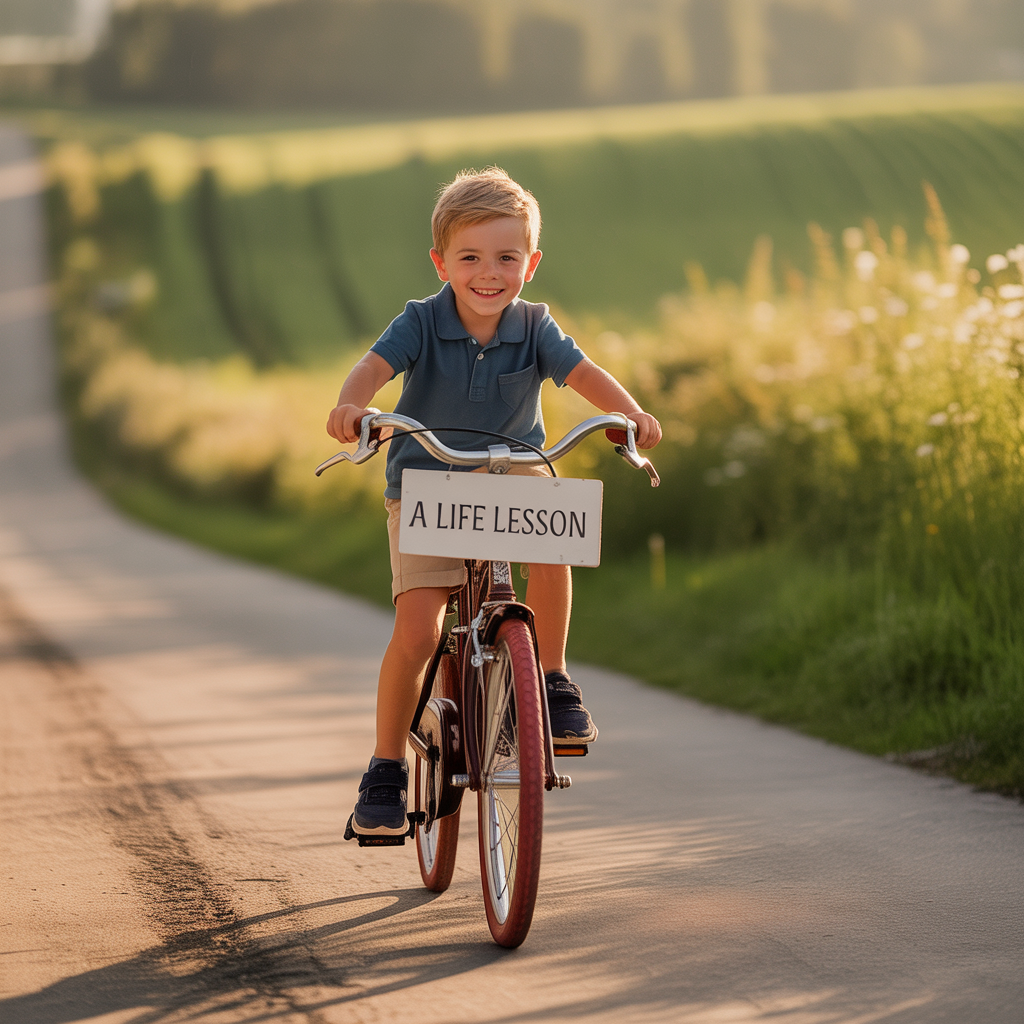
The delicate dance between speed and control on a bicycle mirrors one of life’s most challenging balancing acts. When you first learn to ride, the instinct is often to go too slow, creating wobbles and uncertainty. Yet rushing forward without proper control leads to crashes and scraped knees. This same principle applies to our daily decisions and long-term goals.
Think about career advancement – pushing too hard too fast can lead to burnout or mistakes that set you back. Moving too cautiously might mean missing opportunities altogether. Cycling teaches you to find that sweet spot where momentum carries you forward while maintaining enough control to navigate whatever comes next.
The physical sensation of this balance becomes muscle memory over time. Your body learns to trust the forward motion while your hands stay light on the handlebars. This translates beautifully to life situations where we need to take action while staying flexible enough to adjust course when needed.
Coordinating Multiple Body Movements Simultaneously
Riding a bike demands remarkable coordination that most people take for granted once mastered. Your legs pump the pedals in rhythm, your arms steer and brake, your core maintains stability, and your eyes scan ahead for obstacles – all happening simultaneously without conscious thought.
This multi-tasking mirrors the complexity of modern life perfectly. Consider a working parent’s typical day: managing professional deadlines while coordinating family schedules, staying present in conversations while mentally planning the next task, balancing financial responsibilities with personal relationships. Just like cycling, success comes from practicing these coordinated movements until they become second nature.
The beauty lies in how cycling trains your brain to process multiple inputs and outputs seamlessly. When you’re navigating traffic, you’re constantly adjusting your position, speed, and direction based on cars, pedestrians, traffic lights, and road conditions. This develops what psychologists call “executive function” – the ability to manage multiple priorities and make quick decisions under pressure.
Adapting to Changing Road Conditions and Obstacles
Every ride presents unexpected challenges that test your adaptability. Wet roads demand different tire pressure and braking techniques. Headwinds require gear changes and altered body positioning. Construction zones force route modifications. These constant adjustments teach resilience and flexibility that extends far beyond the bike lane.
Life rarely follows the smooth, straight path we envision. Job markets shift, relationships evolve, health issues arise, and global events disrupt our plans. Cyclists develop an intuitive understanding that obstacles aren’t roadblocks – they’re simply conditions that require different strategies.
The key insight cycling provides is learning to read conditions early and adjust accordingly. Experienced riders can sense changes in weather, traffic patterns, or road surfaces before they become major issues. This translates to developing better situational awareness in all areas of life, helping you spot potential challenges and opportunities before they fully materialize.
Weather changes during rides teach particularly valuable lessons about persistence and adaptation. You can’t control if it starts raining, but you can control your response – slowing down, adjusting your route, or finding appropriate shelter. These micro-decisions build confidence in your ability to handle life’s unpredictable moments with grace and practical wisdom.
Gaining Independence and Self-Reliance
Navigating Your Own Path Without External assistance
When you’re on a bike, GPS can fail, roads can be blocked, and detours become your reality. You learn to trust your instincts and read the environment around you. That traffic light ahead might stay red for three minutes, but the side street could get you there faster. Cyclists develop an internal compass that goes beyond physical navigation – they learn to make choices based on their own assessment of situations rather than waiting for someone else to point the way.
This skill transfers directly to life decisions. Just as you choose between the busy main road or the quiet bike path, you start making career moves, relationship choices, and life changes based on your own judgment. The confidence that comes from successfully finding your way through unfamiliar neighborhoods builds the same confidence needed to pursue unconventional career paths or make bold personal decisions.
Making Split-Second Decisions That Affect Your Safety
Every cyclist knows that moment when a car door swings open just ahead, or when pedestrians step into the bike lane without looking. Your reaction time becomes the difference between a close call and a serious accident. These micro-decisions happen so fast that there’s no time to overthink – you either swerve left, brake hard, or accelerate past the danger.
This constant state of alert decision-making rewires your brain for quick thinking in all areas of life. Job interviews, difficult conversations, and unexpected opportunities all require the same split-second assessment skills. You learn to process information rapidly, weigh risks instantly, and commit to action without the luxury of endless deliberation.
Taking Full Responsibility for Your Journey and Outcomes
Your bike doesn’t maintain itself, your route doesn’t plan itself, and your safety doesn’t happen automatically. Every flat tire, wrong turn, or mechanical issue becomes your problem to solve. There’s no customer service number to call when you’re stranded with a broken chain five miles from home.
This total ownership extends to recognizing that your preparation determines your experience. Forgetting to charge your lights means cycling in darkness. Skipping tire pressure checks leads to slower, more difficult rides. Not checking weather forecasts results in getting caught in storms. Each consequence directly traces back to your choices, creating a clear feedback loop between decisions and results.
Building Confidence Through Solo Adventures
Solo cycling trips strip away all safety nets. You can’t rely on someone else’s mechanical knowledge, navigation skills, or backup supplies. When you successfully complete a challenging solo ride – whether it’s crossing a mountain pass or navigating through an unfamiliar city – you prove to yourself that you’re more capable than you thought.
These solo adventures create unshakeable self-confidence because the achievements are genuinely yours. Nobody else planned your route, packed your gear, or motivated you through the difficult moments. The satisfaction of reaching your destination under your own power, having solved problems independently along the way, builds a foundation of self-reliance that impacts how you approach challenges in every other area of life.
Understanding the Value of Preparation and Maintenance
Regular check-ups prevent major breakdowns
Every cyclist learns the hard truth about neglect the expensive way. That subtle clicking sound from your chain? Ignore it long enough, and you’ll find yourself stranded miles from home with a completely seized drivetrain. The slightly spongy feeling in your brake lever? Keep putting off that cable replacement, and you might discover your stopping power has vanished on a steep descent.
Just like our bodies need regular health checkups, bikes demand consistent attention to prevent catastrophic failures. A quick weekly inspection takes maybe ten minutes but can save you from dangerous situations and costly repairs. Check your tire pressure, test your brakes, listen for unusual sounds, and look for worn components. These small investments in time keep you rolling smoothly.
This translates directly to life’s bigger picture. Whether it’s your career, relationships, or personal health, small problems ignored become massive crises. The colleague you’ve been meaning to have that difficult conversation with? The minor ache you keep dismissing? The financial planning you’ve been postponing? Regular attention to these areas prevents the equivalent of being stranded on life’s highway with no easy fix in sight.
Smart cyclists develop maintenance routines because they understand that prevention beats emergency repairs every single time.
Proper planning ensures smooth long-distance rides
Picture this: you’re 40 miles into a century ride, your water bottles are empty, and the next convenience store is 15 miles away. Your energy bars ran out an hour ago, and your legs feel like concrete. This nightmare scenario happens to cyclists who mistake enthusiasm for preparation.
Successful long-distance cycling demands meticulous planning. You need to map out rest stops, calculate fuel requirements, check weather forecasts, and prepare backup plans for mechanical issues. Experienced riders carry spare tubes, tire levers, a multi-tool, and know how to use them all. They study elevation profiles, understand their nutrition needs, and pack accordingly.
Life’s big goals work exactly the same way. Want to change careers? You don’t just quit your job and hope for the best. You research industries, build new skills, network with professionals, and save money for the transition period. Planning a family? Smart couples discuss finances, living arrangements, and support systems long before the baby arrives.
The cyclists who complete their ambitious rides aren’t necessarily the strongest or fastest. They’re the ones who respected the distance and planned accordingly. Similarly, people who achieve their major life goals usually aren’t the most talented – they’re the most prepared.
Investing time in skill development pays long-term dividends
New cyclists often focus entirely on pedaling harder and riding farther, missing the fundamental skills that separate confident riders from nervous beginners. Learning to shift smoothly, corner safely, ride in groups, and handle your bike in various conditions takes dedicated practice. But once these skills become second nature, they compound your enjoyment and safety for every future ride.
Watch experienced cyclists navigate traffic or handle technical terrain. Their movements look effortless because they’ve invested countless hours developing bike handling skills, reading road conditions, and understanding traffic patterns. They can ride longer distances with less fatigue because their technique is efficient. They enjoy cycling more because they’re not constantly worried about basic bike control.
This principle extends far beyond cycling. The software developer who spends time learning new programming languages becomes more valuable and adaptable. The manager who develops strong communication skills can handle difficult conversations that derail others. The parent who learns about child development can respond to challenging behaviors with patience and understanding.
These foundational skills might seem less exciting than immediate results, but they create a platform for everything else you want to achieve. The time you spend developing core competencies early pays dividends for years, making complex challenges manageable and opening opportunities you couldn’t access otherwise.
Embracing Patience and Timing in Progress
Recognizing when to pedal hard and when to coast
Cycling teaches you to read the terrain ahead and adjust your effort accordingly. When you approach a steep hill, you know to shift into lower gears and maintain steady pressure on the pedals rather than exhausting yourself with sudden bursts of power. Similarly, when you reach a downhill stretch, you learn to relax and let momentum carry you forward.
Life mirrors this perfectly. There are times when pushing harder makes sense – during important deadlines, career transitions, or personal challenges that demand your full attention. But there are also moments when coasting becomes the smarter choice. After completing a major project, during family time, or when you need to recharge mentally, easing up prevents burnout and keeps you moving forward sustainably.
The key lies in developing the instinct to recognize which approach serves you best in any given moment. Just as experienced cyclists can feel when their legs need rest or when they have the energy to tackle a challenging climb, you can learn to gauge your emotional and physical resources throughout different phases of life.
Accepting that some destinations require longer journeys
Not every ride ends where you initially planned to go. Sometimes the route takes unexpected turns, weather conditions change, or mechanical issues force you to adjust your destination. Cycling teaches you that distance and time don’t always correlate in predictable ways – a five-mile ride through headwinds can feel longer than ten miles with a tailwind.
Your personal and professional goals follow similar patterns. Building meaningful relationships, developing expertise in your field, or achieving financial stability rarely happens according to neat timelines. Some paths wind through challenging terrain that slows your progress, while others offer surprising shortcuts that accelerate your journey.
The cyclists who enjoy their rides most are those who embrace the unpredictability. They pack extra water, plan for possible detours, and find joy in unexpected discoveries along the way. When you adopt this mindset toward your larger life goals, setbacks become part of the adventure rather than sources of frustration.
Learning that consistent effort beats sporadic bursts of energy
Weekend warriors who attempt long rides without regular training often find themselves struggling halfway through their journey. Their legs cramp, their breathing becomes labored, and what should have been enjoyable becomes painful. Meanwhile, cyclists who ride shorter distances consistently build the endurance needed for longer adventures.
This principle applies to virtually every area of personal development. Writing a few pages daily produces better results than cramming entire chapters during occasional marathon sessions. Saving small amounts regularly builds wealth more effectively than sporadic large deposits. Learning a language through daily practice surpasses intensive weekend study sessions that quickly burn you out.
Consistency creates muscle memory, both physical and mental. Your body adapts gradually to increasing demands, and your mind develops the habits that support long-term success. The cyclists pedaling past you during your intense training ride might not be stronger or more talented – they’ve simply learned to pace themselves for the distance they want to cover.
Understanding rest periods are essential for sustained performance
Even professional cyclists incorporate recovery days into their training schedules. These aren’t signs of weakness or laziness – they’re strategic elements that allow muscles to repair, glycogen stores to replenish, and mental focus to return. Without adequate rest, performance declines and injury risk increases dramatically.
Your daily life demands the same wisdom. Taking breaks during work helps you return with fresh perspectives and renewed energy. Scheduling downtime between major commitments prevents the exhaustion that leads to poor decision-making. Even your relationships benefit when you occasionally step back and create space for individual growth and reflection.
Rest doesn’t mean complete inactivity. Sometimes it involves gentle stretching instead of intense workouts, or light reading instead of demanding mental work. The art lies in matching your recovery activities to what your mind and body actually need, rather than pushing through fatigue out of guilt or external pressure.
Smart cyclists listen to their bodies and adjust their training accordingly. They understand that tomorrow’s performance depends on today’s recovery choices, making rest an active investment in future success rather than time lost to laziness.
Cycling teaches us that life’s biggest lessons often come disguised as simple activities. The mental strength you build while pushing through that steep hill carries over when you’re facing tough decisions at work. The balance you master on two wheels helps you juggle family, career, and personal goals without falling over. Every ride reminds you that you’re capable of going places on your own, and taking care of your bike shows you how small, consistent efforts prevent major breakdowns in all areas of life.
The next time you hop on your bike, remember you’re not just getting exercise – you’re practicing for life itself. Start viewing each ride as training for bigger challenges ahead. Your bike is waiting, and so are the lessons that will make you stronger, more balanced, and ready for whatever road lies ahead.
