
Buying baby gear can feel overwhelming with endless product choices and conflicting advice everywhere you look. New parents and expecting families need reliable information to make smart purchases without breaking the bank or compromising safety.
This guide helps you navigate the baby gear maze with confidence. You’ll discover the essential safety standards that protect your little one and learn smart budget planning strategies that stretch your dollars further. We’ll also share proven research techniques that help you find the best products quickly, plus room-by-room planning tips that ensure you get exactly what you need when you need it.
Essential Safety Standards Every Parent Must Know
Understanding Certified Safety Labels and What They Mean
Safety certifications aren’t just marketing badges – they’re your first line of defense against potentially dangerous products. The JPMA (Juvenile Products Manufacturers Association) certification is the gold standard for baby gear, indicating that products meet or exceed rigorous safety standards. Look for this seal on cribs, high chairs, strollers, and car seats.
The ASTM International stamp shows that products comply with specific safety requirements for construction, performance, and labeling. Meanwhile, the Consumer Product Safety Commission (CPSC) sets mandatory federal safety standards for various baby products. Products bearing these certifications have undergone extensive testing for structural integrity, chemical safety, and age-appropriate design.
Key certifications to look for:
- JPMA Certified for category-specific safety
- ASTM International for performance standards
- CPSC compliance for federal requirements
- Greenguard Gold for low chemical emissions
- OEKO-TEX for textile safety
Age-Appropriate Guidelines That Prevent Accidents
Baby gear mismatched to your child’s developmental stage creates serious safety risks. Car seats have strict weight and height limits that change as children grow, and using the wrong category can be life-threatening. Infant seats typically accommodate babies up to 22-35 pounds, while convertible seats can grow with your child from birth to 65+ pounds.
High chairs should only be used once babies can sit unassisted, usually around 6 months. Before this milestone, booster seats or floor feeding options are safer choices. Walkers, despite their popularity, are banned in Canada due to injury risks and should be avoided until babies show readiness signs like standing independently.
Age-based safety milestones:
- 0-6 months: Rear-facing car seats, bassinet sleeping
- 6-12 months: High chairs, activity centers (stationary)
- 12+ months: Forward-facing car seats, toddler beds (18+ months)
- 2+ years: Booster seats, tricycles with proper helmets
Recall Databases and How to Stay Updated
Product recalls happen more frequently than most parents realize, making proactive monitoring essential for family safety. The CPSC website maintains a comprehensive database of recalled products, searchable by brand, product type, or recall date. Sign up for automatic email alerts to receive immediate notifications about products you own.
The NHTSA (National Highway Traffic Safety Administration) specifically tracks car seat and vehicle-related recalls. Create accounts on both platforms and register your products immediately after purchase. Many manufacturers also offer direct notification services when you register products on their websites.
Essential recall resources:
- CPSC.gov recall database and email alerts
- NHTSA.gov for car seat and vehicle recalls
- Manufacturer websites for product registration
- Retailer recall notification programs
- Baby gear apps that track recalls automatically
Third-Party Testing Results You Can Trust
Independent testing organizations provide unbiased safety and performance evaluations that supplement manufacturer claims. Consumer Reports conducts rigorous testing on car seats, strollers, and high chairs, evaluating everything from crash test performance to ease of use. Their ratings often reveal significant differences between products that appear similar on paper.
The International Childbirth Education Association (ICEA) and various pediatric safety organizations publish testing results and safety recommendations. Academic institutions also conduct independent research on baby product safety, publishing findings in peer-reviewed journals.
Reliable third-party sources:
- Consumer Reports for comprehensive product testing
- AAP (American Academy of Pediatrics) safety guidelines
- Safe Kids Worldwide for injury prevention research
- University research studies on product safety
- Independent testing laboratories like UL (Underwriters Laboratories)
Cross-reference multiple sources before making major purchases, especially for critical safety items like car seats and cribs. These independent evaluations often reveal real-world performance issues that standard safety certifications might miss.
Smart Budget Planning for Baby Gear Purchases
Priority Ranking System for Must-Have Versus Nice-to-Have Items
Creating a clear priority system prevents overspending and ensures you get the essentials first. Start by categorizing items into three groups: absolute necessities, helpful additions, and luxury items.
Must-Have Essentials:
- Car seat (legally required)
- Safe sleep space (crib or bassinet)
- Feeding supplies (bottles, formula, or breastfeeding accessories)
- Basic clothing in newborn and 0-3 month sizes
- Diapers and wipes
- Baby bathing supplies
Helpful But Not Urgent:
- Stroller (can wait a few weeks)
- Baby monitor
- Bouncer or swing
- Diaper bag
- Extra clothing sets
Nice-to-Have Luxuries:
- Wipe warmer
- Bottle sterilizer
- Designer clothing
- Multiple toy sets
- Specialty furniture pieces
Focus your initial budget on the must-haves, then gradually add helpful items as your baby grows and you understand their specific needs. Many parents discover that babies have individual preferences, making it smarter to wait before purchasing items like swings or specific toys.
Timing Purchases to Maximize Savings and Deals
Strategic timing can slash your baby gear costs significantly. Baby retailers follow predictable sale cycles that savvy parents can leverage.
Best Times to Buy:
- January-February: Post-holiday clearances on holiday-themed items and winter clothing
- Back-to-School Season (July-August): Retailers clear inventory for school supplies, creating baby gear markdowns
- End of Summer: Stroller and outdoor gear sales
- Black Friday/Cyber Monday: Major discounts on big-ticket items like car seats and cribs
Month-by-Month Strategy:
Start shopping 2-3 months before your due date. This gives you time to find deals without rushing into full-price purchases. Sign up for retailer newsletters and download apps from major baby stores to receive exclusive coupon codes.
Consider buying slightly out of season – purchase next-size-up clothing during end-of-season clearances. Summer clothes bought in fall cost 50-70% less than spring purchases.
Register for big-ticket items but don’t expect to receive everything. Use your registry completion discount (typically 10-15%) for items you didn’t receive as gifts.
Quality Investment Pieces That Grow with Your Child
Some baby items justify higher upfront costs because they adapt to your child’s changing needs, providing years of use rather than months.
Top Investment Pieces:
| Item | Why It’s Worth It | Expected Use Period |
|---|---|---|
| Convertible Car Seat | Transforms from rear-facing to forward-facing to booster | Birth to 10+ years |
| 4-in-1 Crib | Converts to toddler bed, daybed, and full-size bed | Birth to teenage years |
| Quality High Chair | Adjustable height, removable tray, grows with child | 6 months to 5+ years |
| Expandable Stroller System | Adapts from infant to toddler, multiple seating options | Birth to 50+ pounds |
What Makes an Investment Piece:
Look for items with multiple configuration options, solid construction materials, and strong safety ratings. Read reviews focusing on long-term durability rather than just initial impressions.
Consider the cost-per-use calculation. A $400 convertible crib used for 8 years costs $50 annually, while a $150 standard crib used for 2 years costs $75 annually.
Skip the Investment on:
- Clothes (babies outgrow them quickly)
- Basic toys (preferences change rapidly)
- Feeding accessories (needs evolve with development)
- Bath items (safety requirements change with age)
Research resale values before major purchases. Quality brands like UPPAbaby, Britax, and Pottery Barn Kids maintain higher resale values, making them smarter investments even at higher initial costs.
Research Strategies That Save Time and Money
Reliable review sources beyond marketing hype
Brand websites and sponsored content often paint rosy pictures that don’t match reality. Smart parents dig deeper by checking Consumer Reports, which conducts rigorous testing without manufacturer influence. The American Academy of Pediatrics (AAP) also publishes unbiased safety assessments that cut through marketing noise.
Independent testing organizations like IIHS (for car seats) and JPMA (Juvenile Products Manufacturers Association) provide certification data that matters more than flashy advertisements. Baby gear recall databases from CPSC.gov reveal which products have hidden safety issues that companies prefer you don’t know about.
Look for reviews that include specific details about daily use, durability after months of wear, and honest discussions of product limitations. Avoid reviews that sound like copy-paste marketing language or focus only on positive aspects without mentioning any drawbacks.
Parent community feedback and real-world testing
Real parents share experiences that product descriptions never mention. Online parenting forums, local mom groups, and social media communities offer authentic insights about how gear performs during 2 AM diaper changes, messy feeding sessions, and countless trips through the washing machine.
Reddit communities like r/BeyondTheBump and specialized Facebook groups provide honest discussions where parents share photos of wear patterns, describe assembly nightmares, and reveal which products actually make life easier versus those that collect dust.
Parent bloggers who’ve tested products for extended periods offer valuable long-term perspectives. They document how gear holds up after six months of daily use, whether customer service responds to problems, and if products live up to their promises when sleep-deprived parents need them most.
Professional recommendations from pediatricians and childcare experts
Pediatricians see the results of gear choices in their offices daily. They know which high chairs cause feeding difficulties, which baby carriers support healthy hip development, and which sleep products align with safe sleep guidelines.
Childcare professionals handle dozens of different products and quickly identify which ones work efficiently in real-world scenarios. They can tell you which strollers maneuver easily through tight spaces, which diaper bags organize supplies effectively, and which toys actually engage children versus those that look impressive but gather dust.
Occupational therapists and child development specialists offer insights about how different products support or hinder developmental milestones. Their recommendations focus on functionality and child development rather than aesthetics or trendy features.
Comparison tools that highlight key differences
Side-by-side comparison charts save hours of research time by organizing key specifications in easily digestible formats. Look for tools that compare safety ratings, weight limits, dimensions, and ease-of-use features rather than just price points.
Specialized baby gear comparison websites aggregate technical specifications, safety certifications, and user ratings in standardized formats. These tools help identify deal-breakers quickly, like car seats that don’t fit your vehicle or strollers too wide for your doorways.
Create your own comparison spreadsheets for major purchases, tracking factors that matter most to your family’s lifestyle. Include categories like storage requirements, cleaning difficulty, and compatibility with other gear you already own.
Return policies and warranty coverage that protect your investment
Strong return policies provide safety nets when products don’t work as expected. Look for companies offering 30-90 day return windows with minimal restocking fees. Some brands allow returns even after light use, recognizing that product suitability becomes clear only during real-world testing.
Warranty coverage reveals manufacturer confidence in their products. Quality brands typically offer 1-3 year warranties covering manufacturing defects and normal wear. Extended warranty options might be worth considering for expensive items like high-end strollers or convertible cribs.
Read warranty fine print carefully, as coverage often excludes damage from normal use, accidents, or improper care. Some warranties become void if you purchase from unauthorized retailers, making it important to buy from approved sellers even when prices are higher elsewhere.
Document purchases with photos and receipts, as warranty claims often require proof of purchase date and condition. Register products promptly to activate warranty coverage and receive recall notifications.
Room-by-Room Baby Gear Planning
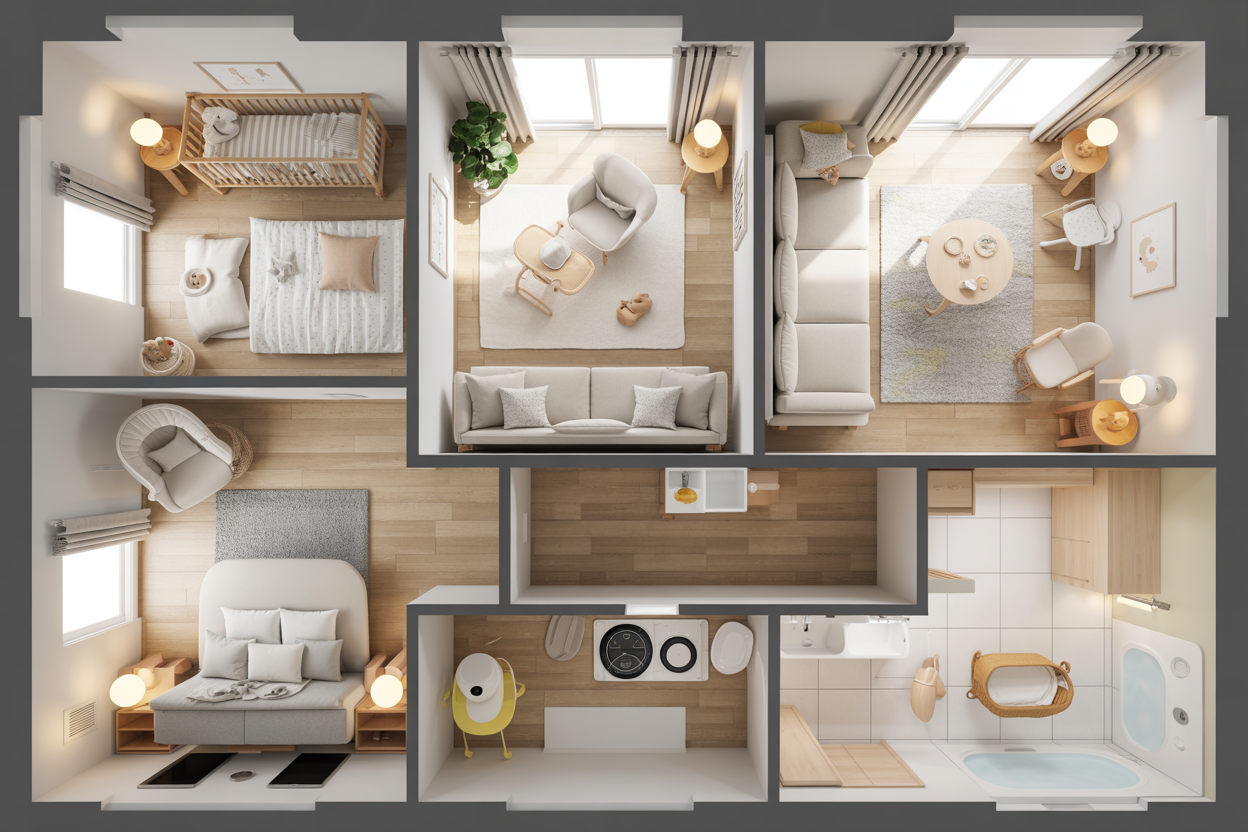
Nursery essentials that promote better sleep
Your baby’s sleep environment directly impacts their development and your sanity as a parent. Start with a firm, flat crib mattress that fits snugly within the crib frame – any gaps larger than two fingers pose safety risks. Skip the bumpers, pillows, and loose blankets entirely during the first year, as these increase SIDS risk significantly.
Temperature control makes the difference between restful nights and constant wake-ups. A white noise machine masks household sounds and creates consistent auditory comfort. Choose one with multiple sound options and volume control. Room-darkening curtains or blackout shades help establish healthy sleep cycles by blocking outside light.
Consider a quality baby monitor with clear audio and night vision capabilities. Modern monitors offer smartphone connectivity, temperature alerts, and breathing sensors. While fancy features seem appealing, reliability and clear communication matter most when you’re checking on your little one at 2 AM.
A comfortable nursing chair with good back support becomes essential during those frequent nighttime feedings. Look for chairs with armrests at the right height and smooth rocking or gliding mechanisms that won’t creak and wake a sleeping baby.
Kitchen and feeding equipment for healthy development
Your kitchen setup directly influences your baby’s nutrition journey from first bottles to independent eating. High chairs with adjustable height and removable trays make mealtimes safer and more convenient. Look for chairs that grow with your child and have secure five-point harnesses.
Sterilization equipment keeps bottles and feeding accessories clean and safe. Electric steam sterilizers work faster than boiling water and handle multiple items simultaneously. For parents who prefer bottle feeding, consider a bottle warmer that heats milk evenly without hot spots that could burn your baby’s mouth.
When introducing solid foods around six months, silicone bibs with catch pockets save clothing and reduce cleanup time. Suction-cup bowls and plates stay put during enthusiastic self-feeding attempts. Baby-safe utensils with chunky handles help develop fine motor skills while preventing choking hazards.
Food processors or baby food makers allow you to control ingredients and textures as your child progresses from purees to chunky foods. Freezer-safe storage containers let you prepare meals in batches, saving time during busy weeks.
Living space adaptations for crawling and walking stages
Baby-proofing transforms your home into a safe exploration zone before your little one becomes mobile. Cabinet locks prevent access to cleaning supplies, sharp objects, and breakable items. Choose magnetic locks for frequently used cabinets – they’re invisible but highly effective.
Outlet covers and sliding plate covers protect curious fingers from electrical hazards. Corner guards on sharp furniture edges prevent injuries during wobbly first steps. Furniture anchors secure tall bookcases, dressers, and TVs that could tip over when climbed.
Baby gates create safe boundaries without restricting your movement through the house. Pressure-mounted gates work well for doorways, while hardware-mounted options provide extra security at the top of stairs. Look for gates that swing open easily for adult convenience but resist determined toddler attempts.
Soft play mats and foam floor tiles cushion falls and provide comfortable spaces for tummy time and play. These surfaces also protect hardwood floors from toy impacts and make cleanup easier after messy activities.
Door knob covers and door lever locks keep children in safe areas and away from dangerous rooms like bathrooms or utility areas. Window guards and stops prevent falls while still allowing ventilation. Toilet locks and bathtub spout covers add bathroom safety layers.
Cord shorteners and covers manage blind cords, lamp wires, and electronics cables that pose strangulation risks. These simple devices tuck away tempting dangles that babies love to grab and pull.
Avoiding Common Purchase Mistakes
Oversized Items That Quickly Become Unusable
Babies grow faster than new parents anticipate, making oversized gear purchases a costly mistake. That adorable newborn outfit in 6-month size might seem like smart forward planning, but babies often skip sizes entirely or grow unevenly. The same principle applies to larger gear items.
High chairs with extensive weight limits and features designed for toddlers can overwhelm tiny infants who need simpler, more secure seating. Similarly, convertible cribs that transform into toddler beds sound practical, but many families move or redecorate long before reaching that conversion stage.
Storage becomes another challenge with oversized purchases. Large play gyms and activity centers dominate living spaces while providing limited engagement time. Most babies outgrow these items within 3-4 months, leaving parents with bulky equipment that’s difficult to store or resell.
Trendy Products With Short-Term Value
Social media and parenting influencers constantly showcase the latest baby gear trends, creating pressure to buy items that offer more style than substance. Designer diaper bags with countless compartments might look Instagram-worthy but often prove impractical for daily use.
Specialized feeding accessories like elaborate bottle warmers or food makers seem essential but typically get replaced by simpler methods within weeks. Many parents discover that a bowl of warm water heats bottles just as effectively as expensive warmers.
Color-coordinated nursery themes drive purchases of matching accessories that serve minimal practical purpose. While aesthetically pleasing, these items rarely justify their cost when basic alternatives work equally well. The trendy baby carrier that celebrities endorse might photograph beautifully but lack the ergonomic support needed for extended wear.
Complex Gadgets That Create More Work Than Convenience
Modern baby products often promise to simplify parenting through technology, but many electronic gadgets complicate rather than streamline daily routines. Smart monitors with multiple sensors and smartphone apps can increase anxiety rather than provide peace of mind, especially when connectivity issues create false alarms.
Elaborate bottle sterilizing systems with multiple components require more cleaning and maintenance than simple sterilizing solutions. Electric baby food makers with numerous settings and attachments often sit unused after parents realize that mashing foods with a regular fork achieves the same results.
Multi-function strollers with complex folding mechanisms can frustrate parents who need quick, one-handed operation during busy outings. The more features a product includes, the higher the likelihood that something will malfunction or break, leaving parents without essential functionality when they need it most.
Duplicate Purchases That Waste Storage Space
Well-meaning relatives and multiple baby registries often result in duplicate items that strain storage capacity and budgets. Multiple baby monitors throughout the house create confusion rather than coverage, and several bouncy seats serve no additional purpose beyond taking up floor space.
Car seat bases for different vehicles make sense, but duplicate strollers for various occasions rarely get used as intended. Many parents find themselves defaulting to one reliable stroller while others collect dust in garages or closets.
Receiving blankets, burp cloths, and onesies accumulate quickly through gifts and personal purchases. While babies do need multiple clothing items, excessive quantities lead to unworn pieces that babies outgrow before use. The same applies to toys designed for specific developmental stages – having multiples doesn’t accelerate development and creates overwhelming clutter that makes finding favorites more difficult.
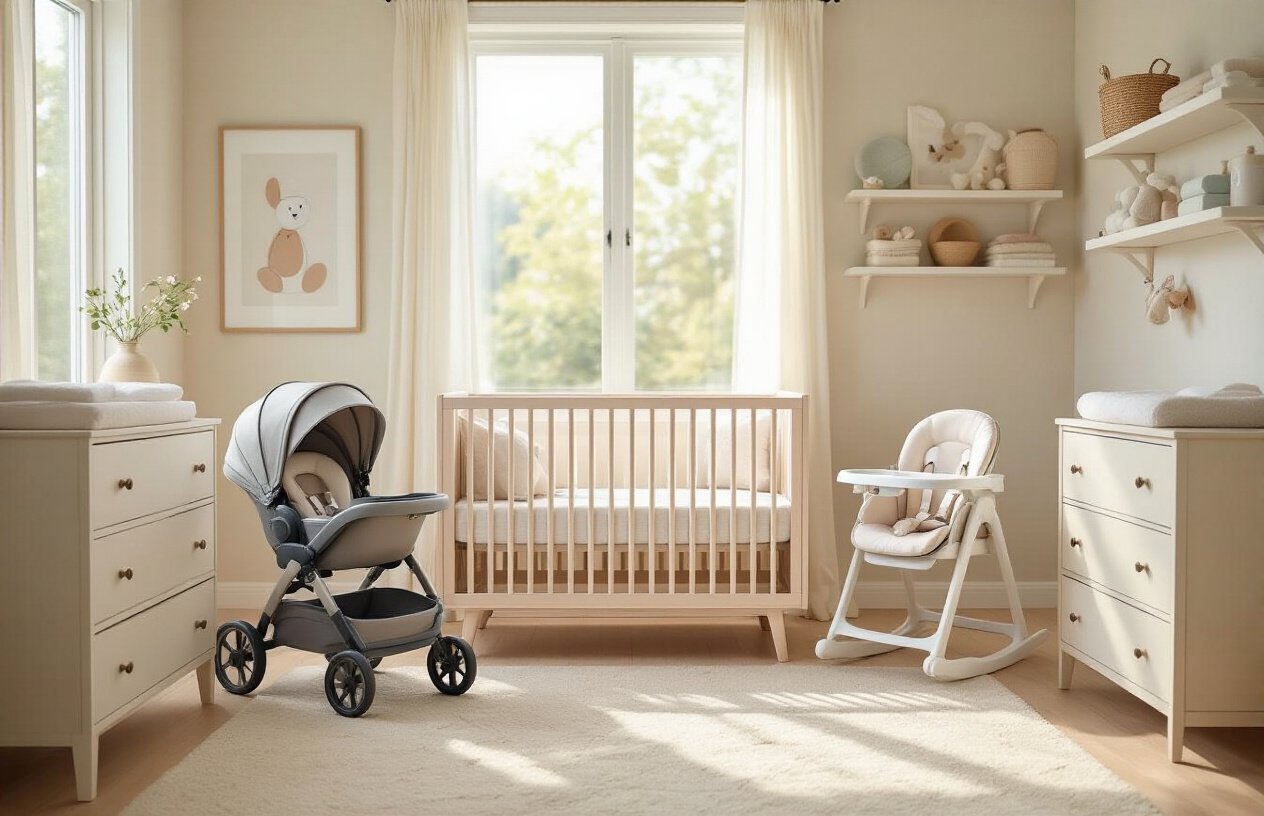
The journey of buying baby gear doesn’t have to feel overwhelming when you know what to look for. Safety standards give you peace of mind, smart budgeting keeps your wallet happy, and solid research saves you from buyer’s remorse. Planning room by room helps you stay organized and focused on what you actually need, while learning from common mistakes means you can skip the headaches other parents have already experienced.
Start with your nursery essentials and work outward from there. Set your budget early, do your homework on products, and always check those safety certifications before you buy. Your future self will thank you when you’re not dealing with returns, exchanges, or gear that doesn’t work for your family. Remember, the best baby gear isn’t always the most expensive – it’s the gear that fits your needs, meets safety standards, and works within your budget.
