
Finding the perfect sleeping mattress can transform your nights from restless tossing to deep, restorative sleep. This guide is designed for anyone shopping for a new mattress – from first-time buyers to seasoned sleepers looking to upgrade their bedroom setup.
Poor sleep affects everything from your mood to your productivity, making the right mattress choice more important than you might think. A quality mattress supports your body properly and keeps you comfortable throughout the night.
We’ll walk you through six essential tips to help you make the best decision for your sleep needs. You’ll learn how to match your mattress firmness to your sleep position and body type, discover which materials work best for different preferences, and get practical advice on testing mattresses before making your final purchase.
Determine Your Sleep Position and Body Type
Identify whether you’re a side, back, or stomach sleeper
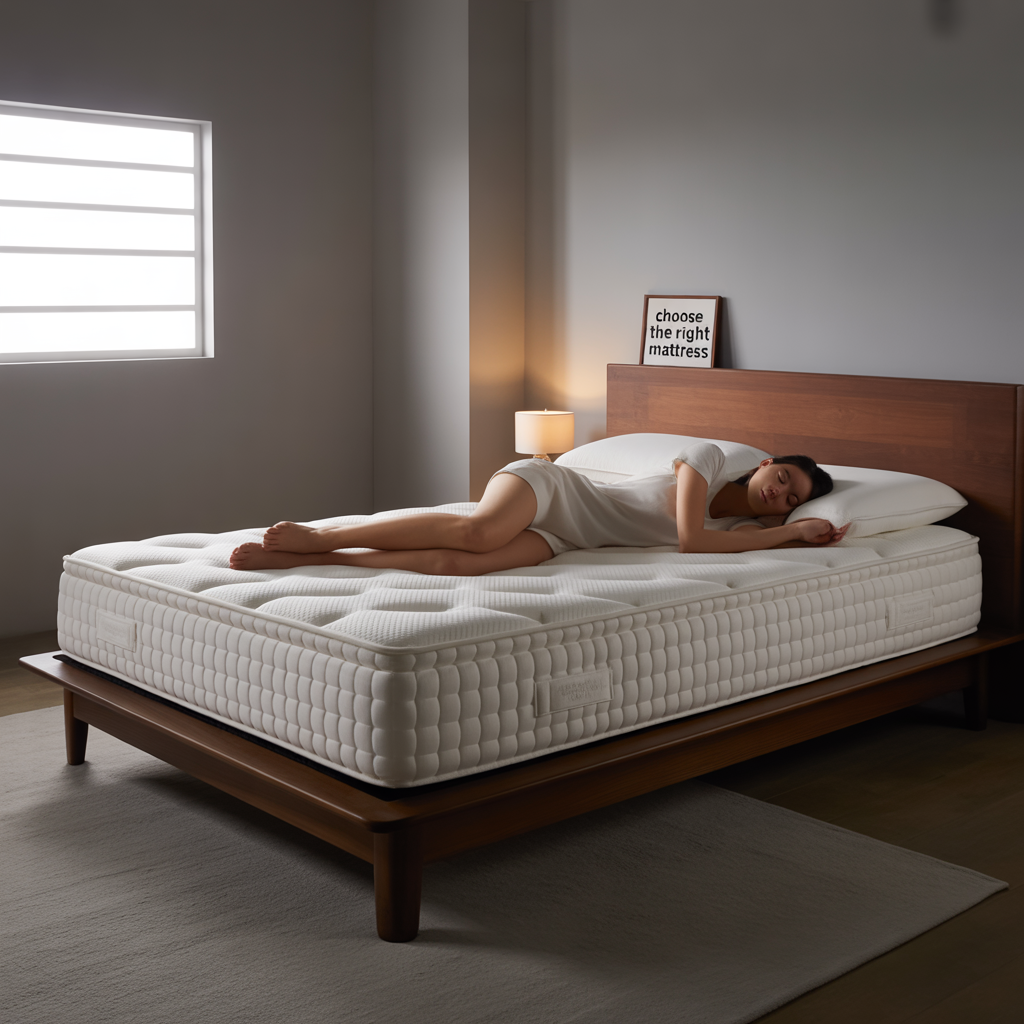
Your sleep position dramatically affects which mattress will work best for you. Side sleepers need a softer surface that contours to their hips and shoulders, preventing pressure buildup that can cause numbness and pain. Memory foam and hybrid mattresses typically work well for side sleepers since they cradle the body’s curves.
Back sleepers benefit from medium-firm support that maintains the spine’s natural S-curve. Too soft, and your lower back sinks uncomfortably; too firm, and you’ll feel like you’re sleeping on the floor. Latex and quality innerspring mattresses often provide the right balance.
Stomach sleepers require the firmest surfaces to prevent their midsection from sinking too deeply, which can strain the lower back and neck. Firm innerspring or latex mattresses work best, though this sleep position isn’t ideal for spinal health regardless of mattress choice.
Consider your weight and body frame
Body weight plays a crucial role in mattress selection because it affects how deeply you sink into the surface. Lighter individuals (under 130 pounds) often prefer softer mattresses since they need extra contouring to relieve pressure points. Medium-soft to medium mattresses typically work well for this weight range.
Average-weight sleepers (130-230 pounds) have the most options available and can usually find comfort across various firmness levels. Your sleep position becomes the primary deciding factor in this weight range.
Heavier individuals (over 230 pounds) generally need firmer, more supportive mattresses to prevent excessive sinking and maintain proper spinal alignment. Look for mattresses with reinforced support cores or higher coil counts in innerspring models.
Assess any specific pressure point concerns
Common pressure points include shoulders, hips, knees, and sometimes the lower back. If you wake up with soreness in these areas, your current mattress likely isn’t providing adequate pressure relief.
People with chronic pain conditions like arthritis or fibromyalgia need mattresses that balance support with pressure relief. Memory foam excels at distributing weight evenly, while latex provides responsive contouring without the “stuck” feeling some experience with memory foam.
Consider any injuries or physical limitations that affect your comfort. Recent surgeries, joint problems, or mobility issues might require specific support features or easier entry and exit from bed.
Evaluate partner compatibility needs
Couples face unique challenges when selecting a mattress. Different sleep positions, weights, and comfort preferences can make finding the perfect match tricky. Motion isolation becomes critical if one partner tosses and turns or gets up frequently during the night.
Memory foam and hybrid mattresses typically excel at minimizing motion transfer, while traditional innerspring mattresses tend to transmit movement across the surface. Edge support matters too, especially if you sleep near the mattress perimeter or sit on the bed’s edge regularly.
Temperature regulation can become an issue when two people share a bed. Hot sleepers might prefer latex or innerspring mattresses with better airflow, while those who get cold might appreciate memory foam’s heat retention properties.
Consider split mattresses or adjustable bases if your preferences differ significantly. These solutions allow each person to customize their side while sharing the same bed frame.
Choose the Right Firmness Level for Maximum Comfort
Understand the Firmness Scale and Your Preferences
Mattress firmness typically falls on a scale from 1 to 10, where 1 represents extremely soft and 10 means rock-hard. Most mattresses sold today range between 3 and 8 on this scale. Here’s how the different levels break down:
| Firmness Level | Rating | Feel Description |
|---|---|---|
| Soft | 3-4 | Sinks considerably, hugs body curves |
| Medium-Soft | 4-5 | Gentle contouring with some support |
| Medium | 5-6 | Balanced feel, most popular choice |
| Medium-Firm | 6-7 | Supportive with slight give |
| Firm | 7-8 | Minimal sinkage, strong support |
Your personal preference depends on factors like body weight, existing pain issues, and what feels comfortable to you. Heavier individuals typically need firmer support to prevent excessive sinking, while lighter sleepers often prefer softer surfaces that conform to their body shape.
Match Firmness to Your Sleep Position
Your preferred sleep position plays a huge role in determining the ideal firmness level. Side sleepers need softer mattresses (3-6 on the firmness scale) because their hips and shoulders create pressure points that require cushioning. Without adequate softness, these joints won’t get proper relief, leading to numbness and discomfort.
Back sleepers perform best on medium to medium-firm mattresses (5-7 range). This firmness provides spinal alignment while offering enough contouring for the natural curve of the lower back. Too soft, and your spine sags; too firm, and you’ll feel like you’re sleeping on a board.
Stomach sleepers need the firmest mattresses (6-8 range) to prevent their midsection from sinking too deeply. When your pelvis drops below your shoulders and legs, it creates an unnatural arch in your spine that can cause morning back pain.
Combination sleepers who change positions throughout the night should aim for medium firmness (5-6) as a compromise that works reasonably well in all positions.
Consider Age-Related Comfort Changes
Your comfort preferences naturally shift as you age. Younger adults often prefer firmer surfaces because their bodies recover quickly and they need more support during active lifestyles. As people enter their 40s and beyond, joint sensitivity typically increases, making softer surfaces more appealing.
Seniors frequently benefit from medium-soft to medium mattresses because they provide pressure relief for arthritic joints while still maintaining adequate support. However, mobility becomes a factor too – very soft mattresses can make it difficult to get in and out of bed or change positions during sleep.
Children and teenagers usually do well on medium-firm mattresses that support proper spinal development while being comfortable enough for quality sleep. Their lighter body weight means they won’t sink as deeply into firmer surfaces as adults would.
Select the Best Mattress Material for Your Needs
Compare memory foam benefits and drawbacks
Memory foam mattresses have gained massive popularity for good reasons. They excel at pressure point relief by conforming to your body’s unique shape, making them perfect for side sleepers who need extra cushioning around hips and shoulders. The material also absorbs motion exceptionally well, so you won’t feel your partner tossing and turning throughout the night.
The downside? Memory foam can trap heat, leaving hot sleepers feeling uncomfortably warm. Traditional memory foam also responds slowly to movement, which some people find restricting when changing positions. Budget-friendly memory foam options may develop permanent indentations over time and can emit chemical odors initially.
| Pros | Cons |
|---|---|
| Excellent pressure relief | Can retain heat |
| Superior motion isolation | Slow response to movement |
| Conforms to body shape | May develop body impressions |
| Good for side sleepers | Initial off-gassing odors |
Explore innerspring mattress advantages
Innerspring mattresses remain a classic choice for their bouncy, responsive feel and excellent temperature regulation. The coil system promotes airflow, keeping you cool throughout the night. They provide strong edge support, making the entire surface usable and preventing that sinking feeling when sitting on the bed’s perimeter.
Modern innerspring designs feature individually wrapped coils that reduce motion transfer while maintaining the traditional bounce. They’re also typically more affordable than other mattress types and offer firm support that back and stomach sleepers often prefer. The main drawbacks include potential noise from coils over time and less pressure point relief compared to foam alternatives.
Evaluate hybrid mattress options
Hybrid mattresses combine the best features of innerspring and foam technologies. The coil base provides breathability and support, while foam layers on top deliver pressure relief and contouring. This combination works well for couples with different sleep preferences, offering both motion isolation and responsive support.
Quality hybrids typically feature zoned coil systems that provide targeted support for different body regions. The foam layers can include memory foam, latex, or gel-infused materials for enhanced cooling. While hybrids tend to be pricier than single-material mattresses, they offer versatility that suits various sleep styles and body types.
Consider latex and organic materials
Latex mattresses provide a naturally bouncy feel with excellent durability, often lasting 15-20 years. Natural latex offers inherent antimicrobial properties and temperature regulation without synthetic chemicals. The material responds quickly to movement while still providing good pressure relief.
Organic cotton and wool covers add breathability and natural moisture-wicking properties. These eco-friendly options appeal to environmentally conscious sleepers and those with chemical sensitivities. The main considerations are higher initial costs and potential latex allergies, though natural latex allergies are relatively rare.
Assess cooling properties of different materials
Temperature regulation varies dramatically across mattress materials. Innerspring and hybrid mattresses generally sleep coolest due to their coil-based construction promoting airflow. Latex also maintains neutral temperatures naturally.
Memory foam requires special consideration – look for gel-infused, copper-infused, or open-cell foam technologies that improve heat dissipation. Some manufacturers incorporate phase-change materials or cooling covers to address temperature concerns.
Hot sleepers should prioritize breathable materials and avoid traditional memory foam without cooling enhancements. Cool sleepers might actually appreciate memory foam’s warmth-retaining properties for added comfort during colder months.
Test Before You Buy for Confidence
Maximize in-store testing effectiveness
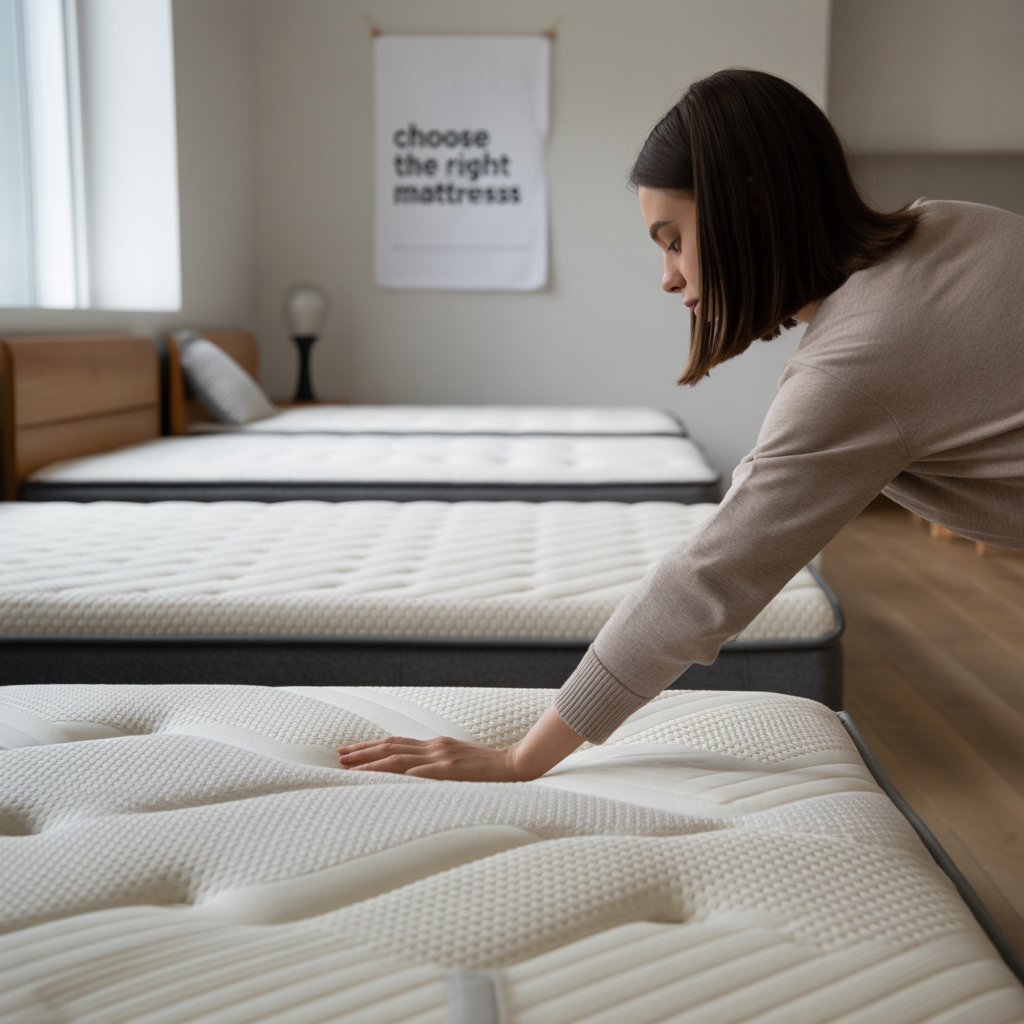
Walk into a mattress store wearing comfortable clothes and plan to spend at least 15-20 minutes testing each mattress you’re considering. Don’t feel rushed by salespeople – this is a major purchase that deserves your full attention. Lie down in your natural sleep position for several minutes on each mattress, allowing your body to settle and adjust. Roll from side to side to test motion transfer if you share the bed with a partner.
Bring your partner along if you sleep together, as what feels comfortable for one person might not work for both. Test the mattress at different times of day if possible, since your body’s sensitivity can change throughout the day. Pay attention to pressure points at your hips, shoulders, and lower back – these areas should feel supported without creating uncomfortable pressure.
Ask about the mattress construction, materials, and manufacturing details. A knowledgeable salesperson should be able to explain the differences between models and help you understand why certain features matter for your specific needs.
Take advantage of sleep trial periods
Most reputable mattress companies offer sleep trials ranging from 90 to 365 nights, giving you the chance to experience the mattress in your own home environment. Your body typically needs 2-4 weeks to adjust to a new mattress, so don’t make hasty decisions during the first few nights if the feel seems different from your old mattress.
During the trial period, pay attention to how you feel when you wake up. Are you experiencing less back pain? Do you sleep through the night without tossing and turning? Are you waking up refreshed? Keep a simple sleep journal noting your comfort level, sleep quality, and any physical discomfort.
Read the fine print of trial policies carefully. Some companies require you to try the mattress for a minimum period before returns are accepted, while others may charge return fees or require the original packaging. Online mattress companies often partner with local charities to donate returned mattresses, making the return process easier for you.
Read verified customer reviews strategically
Focus on reviews from customers with similar sleep preferences, body types, and health considerations as yours. A 200-pound side sleeper will have different experiences than a 140-pound back sleeper, so look for reviewers who match your profile. Pay special attention to long-term reviews (6 months or more) rather than initial impressions, as these provide insight into durability and lasting comfort.
Watch for patterns in complaints or praise across multiple review platforms. If several reviewers mention the same issue – like sagging after a year or excessive heat retention – take these concerns seriously. Verified purchase reviews on retailer websites tend to be more reliable than anonymous reviews on general review sites.
Look beyond star ratings and read the actual comments. A 3-star review might reveal that the mattress works great for back sleepers but not side sleepers, which could be valuable information depending on your sleep position.
Check warranty coverage and return policies
Mattress warranties typically range from 10-25 years, but the coverage varies significantly between manufacturers. Full replacement warranties are rare after the first few years, with most companies offering prorated coverage that requires you to pay a percentage of the replacement cost based on the mattress age.
Understand what constitutes a warranty claim. Most warranties cover defects like broken springs or significant sagging (usually defined as indentations deeper than 1-1.5 inches), but they won’t cover normal wear, comfort preferences, or damage from improper use. Some warranties require you to use a specific type of foundation or bed frame to remain valid.
Keep your receipt and any required documentation, as warranty claims often require proof of purchase and may need to be filed within specific timeframes. Some manufacturers require you to work with the original retailer for warranty service, while others handle claims directly. Know the process before you need it.
Consider Long-Term Durability and Maintenance
Evaluate Expected Lifespan by Mattress Type
Different mattress materials offer vastly different lifespans, and knowing what to expect can save you money and disappointment down the road. Memory foam mattresses typically last 6-8 years, while latex mattresses can go strong for 10-15 years with proper care. Innerspring mattresses usually need replacement after 5-7 years, as the coils gradually lose their support. Hybrid mattresses fall somewhere in the middle at 7-10 years.
| Mattress Type | Average Lifespan | Key Durability Factors |
|---|---|---|
| Memory Foam | 6-8 years | Foam density, heat exposure |
| Latex | 10-15 years | Natural vs synthetic latex |
| Innerspring | 5-7 years | Coil gauge, spring count |
| Hybrid | 7-10 years | Quality of both foam and coils |
Higher-density foams and thicker comfort layers generally translate to longer-lasting mattresses. Look for memory foam with at least 4 pounds per cubic foot density, and latex with 100% natural materials for maximum longevity.
Understand Proper Mattress Care Requirements
Your mattress investment depends heavily on how well you maintain it. Rotating your mattress every 3-6 months prevents uneven wear patterns and extends its life significantly. Most modern mattresses don’t need flipping, but check your warranty guidelines to be sure.
Using a quality mattress protector shields against spills, dust mites, and body oils that can break down materials over time. Wash your bedding weekly and vacuum the mattress surface monthly to keep it fresh. Keep your bedroom temperature between 60-70°F and maintain good ventilation to prevent moisture buildup that can lead to mold or material degradation.
Avoid jumping on the bed or placing excessive weight on the edges, as this can damage internal structures. If you notice sagging, lumps, or persistent indentations deeper than 1.5 inches, it’s time to consider replacement.
Plan for Future Comfort Adjustments
Your comfort needs will change over time due to age, weight fluctuations, health conditions, or lifestyle changes. Choose a mattress system that offers flexibility for these inevitable shifts. Adjustable bases can help with circulation issues, acid reflux, or back pain that may develop later.
Consider mattresses with removable toppers or those compatible with aftermarket comfort layers. Some brands offer comfort exchange programs within the first few months, giving you a safety net if your initial choice doesn’t work out perfectly.
Think about your sleeping partner’s changing needs too. Split-firmness options or separate mattresses on a king-size frame can accommodate different preferences without compromising either person’s sleep quality.
Finding the perfect mattress doesn’t have to be overwhelming when you know what to look for. Your sleep position and body type should guide your firmness choice, while the right material can make all the difference in comfort and temperature regulation. Setting a budget helps narrow your options, but remember that a good mattress is an investment in your health and daily energy levels.
Don’t skip the testing phase – whether it’s a sleep trial or spending time in the showroom, you need to experience how the mattress feels before committing. Think about how long you want your mattress to last and what kind of care it will need over the years. Take your time with this decision because the right mattress will transform your sleep quality and help you wake up refreshed every single day.
